

Lithuanian Bathing Culture and Plants Summer Camp

Date: 2023-05-25, 13:00
Organizer : Lithuanian Bath Academy
 Location:
 Deep and intense 3-days experience, connecting with Lithuanian bathing culture, nature and plants.
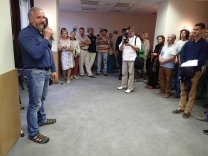
Moments from our seminars about plants
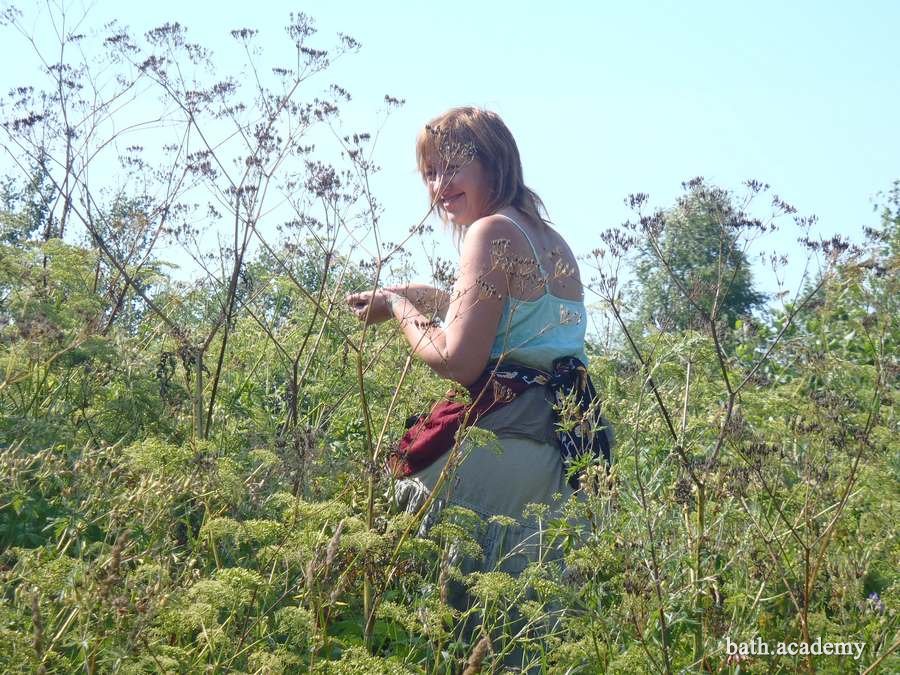

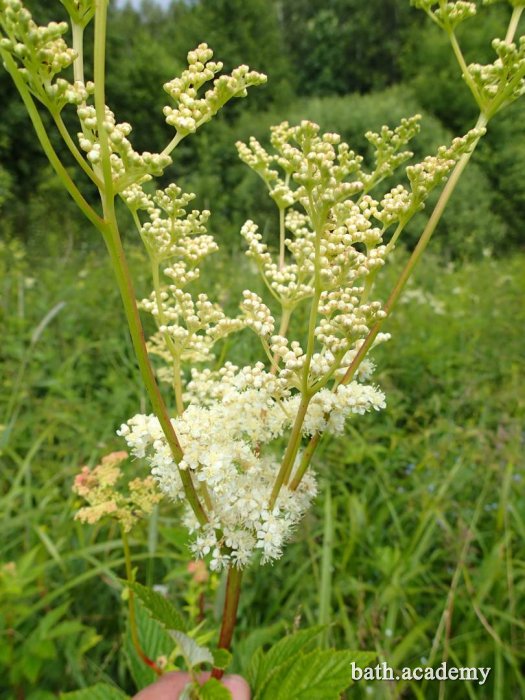


May 25. Plants and herbal products in Lithuanian pirtis. Theorethical presentation about the most common trees and herbs, used in Lithuanian pirtis. Preparing and practical testing in sauna various herbal products and methods.
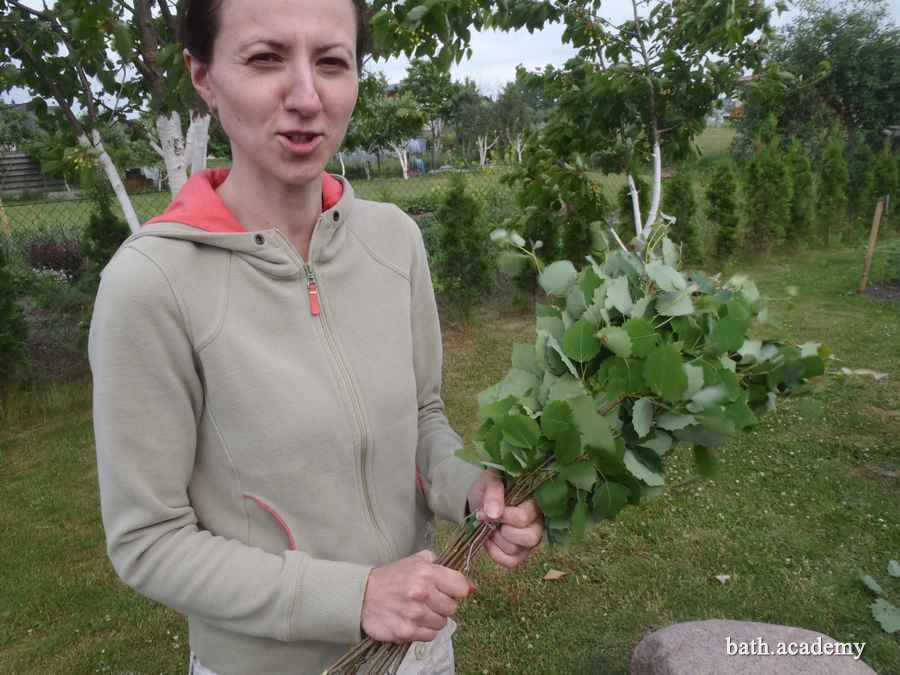
May 26. Trees and whisks. Practical workshop in fields and forrests. Plant identification, collecting plants for whisks. Making whisks. Theorethical presentation about plants Lithuanian mythology. Practical part in sauna - testing different whisks. Plant rituals.
May 27. Living history of Lithuanian pirtis. Theorethical presentation about Lithuanian pirtis history and culture. Heating the recreated replica of XIV century smoke sauna in the Kernavė open air museum. Making whisk in the Medieval way. Guided excursion to the museum. Practical experience in smoke heated pirtis - Medieval bathing.
More information will come soon! Any questions are welcome.
Contact persons:
Rimas Kavaliauskas, email - rimas@pirtis.lt, Phone/WhatsApp +370 687 11601
Birutė Masiliauskienė, email - registracija@pirtis.lt, PhoneWhatsapp +370 689 56969
Themes covered
-
Making whisks
Practical theme, which includes:
- collecting and preparing twigs;
- types of whisks;
- ways of making whisks;
- quality requirments;
- conservation of whisks.
-
Mythology of trees and herbs
Theoretical theme, which reveals hidden properties of mostly used trees and herbs.
Traditional Lithuanian culture and mythology has very strong connections to the nature. Lithuanians were the lasts pagans in Europe, old knowledges, bealieves and worldview are still a part of everyday life. Understanding plants mythologyand hidden properties of plants are very heplful in rithual saunas or individual work.
Some topics of this theme:
- Male and female plants. Reincarnation to the plants.
- Heaven and underworld plants. Divine play of the opposites.
- World three.
- Mythology of the most common plants of Lithuanian pirtis (oak, birtch, linden, juniper, rowan, willow, bird-cherry, pine, spruce, ash etc.).
-
Plants in steam bath
A lot of herbal and plant remedies are used in the Lithuanian sauna. Not only whisks but different herbal teas, infusions, scents, cosmetic masks. As soon as the pirtis door is opened, the pleasant aroma of plants gives off. There are bouquets of fragrant herbs in the ceiling, not just for the sake of beauty. And where are all the mysterious ointments, infusions, extracts, oils, powders, and other mysterious things that alchemists often juggle with bottles as experienced bathers, creating a whole bouquet of bath sensations ...
Curious? This is our aim - get you acquainted with plants, herbal bath tools. This is a 2 hour theoretical course where we will discuss the most commonly used plants in the bath and the products made from them, as well as practical tips.
This theme has additional information available only to logged in users. -
Preparing of plant remedies
Practical theme, which includes:
- collecting and preparing herbal material;
- decoctions, cold and hot infusions;
- hydrosoils and distilation;
- other herbal remedies.
This theme has additional information available only to logged in users. -
Recognising plants
Excursion to the nature, looking for the plants to be used in sauna. Collecting herbs and branches for whisks. Rules of collecting plants.
-
Rituals with plants in sauna
Having different whisks and knowing their physical and hidden qualities, we can create special body rithuals or whisking scenarios.
-
Trees and herbs in sauna
Using a lot of trees and herbs is very typical for Lithuanian pirtis procedure. This theme is dedicated to the plants we use for making whisks, herbal tee, natural remedies, products for beauty treatments.
This is a theoretical presentation, which includs:
- Understanding about collecting and preparing plants for using in sauna;
- Botanical, physical and healing qualities of most popular sauna plants;
- Practical recomendations about using these plants in sauna.
-
Use of plants and whiskmaking
Presented by
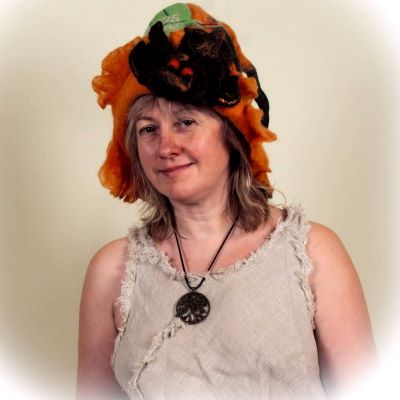
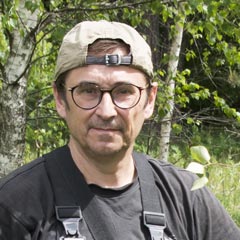
Birutė Masiliauskienė and Rimas Kavaliauskas
Instructions
The place
The event will take place in a center of roural tourism Kernavės Bajorynė, ~1 km from Kernavė town.
Kernavė is a small town located on the right bank of the Neris River, 35 km from Vilnius, and in the past it was one of the first centers of the Lithuanian state (13th century). The legendary Pajauta Valley and its five mounds guard the remains of the last European pagan capital. Since 2004 Kernavė Archaeological Site is a UNESCO World Heritage Site. Read more here.
How to reach the venue?
Kervavė is located ~70 km from Kaunas Airport and ~50 km from Vilnius Airport. You can reach it by a rented car or by bus (check the schedule here). If you need our help, we can arrange transfer from Vilnius and Kaunas - let us know in advance.
Accomodation and food
Accomodation (3 nights) and breakfast are included into the price of the camp. We offfer you stay in small wooden houses, Each house is two-storeyed, consisting of two parts. Each part has a separate entrance. There is a possibility to accomodate up to 5 persons in each of the parts, with an additional availability to accomodate up to 3 persons in single beds in each of the parts.
- Fireplace
- Refrigerator
- Microwave oven
- Electric cord kettle
- TV
- 2 WCs
- Shower cabin
- Hair dryer
- Comfortable single or double beds
The homestead can offer other accomodation options (e.g. if you want to come earlier or leave later, come with your family, want a separated room etc.). In such case, please, contact them directly. Contacts are here. Choosing other accomodation options won't change the price of the training.
You can choose to make food on your own, have it in a cafee (there are a few places in Kernavė) or we can offer dinner in the homestead (10€ / person / day). Vegetarian/non-vegetarian options are available. Please, inform us in advance your decision.
Ask a question
Please login to ask question
Events
Level 2. Family bath master

Level 1. Bath masters basics

Plants and senses. Lithuanian Bathing Culture Summer Camp
Family Bathmasters Qualification Test
Sauna Aid host training


