
Classical family bath. Theory.

Date: 2026-01-01, 00:00
Organizer : Lithuanian Bath Academy

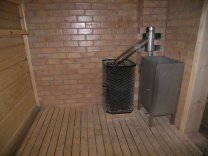
Bath training. Associative photo.
This block of therory consist of 3 important themes, or foundational theoretical modules of the International Bath Academy's Master of Family Bath program. These courses together offer essential information for anyone wanting to master the art and duty of traditional steam bathing practice—whether to enhance their skill for family care, advance their professional service, or lead educational sauna activities with confidence.
Knowing how the human body responds to heat, how the skin is altered in the sauna climate, and how to correctly service a traditional sauna facility is not theoretical information—it is the actual basis of safe, effective, and culturally appropriate sauna work. A sauna master who wishes to lead others, particularly through instructional events, needs to be well educated in these fundamentals.
1. Body Response to Heat
An experienced bath master performs somewhat like a ship captain, orchestrating subtle, moment-by-moment heat, steam, water, and timing adjustments in response to the subtle signals of each guest. This module delves into the ways the human body reacts to sauna heat, ranging from internal temperature dynamics, cardiovascular changes, and detoxification through sweating to effects on the respiratory, endocrine, and nervous systems.
You'll discover the two physiological stages of sauna exposure—early unconditional comfort and aware, purposeful heating—and how they impact relaxation, immunity, hormonal balance, and mental health. With current scientific understanding, this course prepares sauna practitioners to make sense of dizziness, heat shock protein creation, and why contrasts (hot-cold cycles) are more than tradition: they're a biological tool.
Main issues are:
- Body temperature dynamics and cardiovascular gains
- Heat as a natural protector: immunity, inflammation, hormonal influences
- Sweating and detoxification, skin thermoregulation, contrasts
- Sauna steam, respiration, and breathing considerations
- Nervous system and mental well-being in sauna practice
2. Skin in Sauna
As one wise man penned, "Skin is the truest mirror of human health… a third brain where body and world meet." This module puts that philosophy into practical perspective. It delves into the skin as a large, living organ—1.5-2 square meters in area, circulating a quarter of our blood, and filled with sweat glands that eliminate toxins at rates higher than the kidneys and intestines.
You will discover the skin's layered composition, from epidermis through dermis to hypodermis, and how each of them participates in protection, thermoregulation, sensation, immunity, and aesthetic health. The class explains how sauna heat and steam affect these processes: enhancing circulation, stimulating perspiration, softening scars, reducing wrinkles, and aiding cellular renewal.
It also includes classic and contemporary natural skincare rituals, from honey and birch scrubs to clay masks and fermented milk rinses—grounding you in age-old practices that transform the skin from simple covering to a luminous living statement of health and attention.
3.Traditional sauna maintenance
A well-maintained sauna is more than an architectural feature; it is the heart of the bathing experience and a critical responsibility for any sauna master. This module addresses common questions and problems that every sauna owner faces, grounding answers not in casual opinion but in tested, respectful practice.
You will explore different types of steam bath ovens, their firewood needs, heating peculiarities (from continuous to periodic to smoke saunas), and how to ensure optimal ventilation before, during, and after bathing. The course also addresses what materials and practices to avoid—protecting benches, floors, vessels, and adjacent spaces.
Essential safety topics include fire risks, ecological standards, and thorough disinfection using alcohol, plant decoctions, hot steam, and more. A dedicated FAQ section answers critical concerns about odors, mold, sauna stones, carbon monoxide, wall treatments, and even the use of plastic, ensuring you maintain both tradition and modern health standards.
Why this theory is important to Bath Masters?
Mastering these areas of theory equips you not only to run a safe and effective family sauna but also to host meaningful educational events. Guests, students, or clients will look to you for assurance that their experience rests on sound knowledge of how heat affects the body, how skin responds and benefits, and how the very space is maintained for their well-being. By basing your practice on this foundational theory, you ensure both the rich tradition of sauna culture and the highest levels of contemporary health and safety—qualities that mark a true master of the family bath.
Themes covered
-
Body reaction to heat
A sauna master must adjust sauna procedures to the needs of each client, adjusting heat, steam, water temperature, and session duration accordingly. Sauna work is a live process, like a ship captain making impromptu decisions, and there is no time to check answers on the Internet—one must watch the subtle cues of a man's condition and adjust the procedure in a split second.
This webinar is all about understanding how sauna heat dynamically affects the body—how the internal temperature rises, the circulation changes, and skin pores open. Subjects vary from how the sauna acts on joints, muscles, and the respiratory system to why dizziness occurs and how it affects immunity and hormonal balance. Sweating, detoxification, how heat acts on internal organs like the liver, and how it affects the nervous system will be discussed with the newest scientific research.
This theme has additional information available only to logged in users. -
Skin in thermal bath
What is skin?
As Lithuanian philosopher Vydūnas eloquently stated, “Skin is the truest mirror of human health… a third brain where body and world meet, reflecting vitality and spirit.” More than a mere covering, skin mediates between our inner selves and the outer environment, channeling sensations and safeguarding life. In the sauna, this remarkable organ—spanning 1.5-2 square meters and weighing 5-10 kg—comes alive. Heat awakens its 2 million sweat glands, flushing out toxins (up to 3.5 times more than the kidneys or intestines) and softening its surface for care. With a quarter of our blood circulating through it, skin in the sauna reveals its power as both protector and healer, glowing with youth and beauty when nurtured well.
Fascinating Skin Facts:
Largest human organ, 0.5-4 mm thick.
Circulates 25% of the body’s blood.
Releases 100-150 g of sebum weekly via sebaceous glands.
A natural detox powerhouse.Discover how the sauna transforms this living shield into a canvas of wellness.
This theme has additional information available only to logged in users. -
Traditional sauna maintenance

Sauna maitenance is a good part of using it...Young owners are helped and advised by everyone who is not lazy - from relatives to online forums. Let's take a look at the most common questions for current (and perhaps future) sauna owners.
Themes and topics presented in this workshop:
- Short review of steam bath ovens
- Bathing utensils
- Getting ready for heating
- Firewood types
- Peculiarities of heating different ovens: continuous heating ovens, periodically heated ovens, smoke saunas.
- Ventilation: before, during and after bathing
- What can not be used in bathing:benches, floors, vessels, used whisks, adjacent rooms.
- Disinfection: acohol, plant decoctions, essential oils, hot water and steam, hydrogen peroxide;
- Fire safety.
- Ecological requirements for sauna use.
- FAQ
FAQ that will be answered
- Avoiding bad smell?
- Mold extermination?
- Changing sauna stones?
- Avoiding carbon monoxide?
- Impregnating benches and walls?
- Whitening dark walls?
- Back seats. Are they necessary?
- Use of plastic in sauna?
Instructions
How can you use this learning option?
Training is provided by Lithuanian Bath Academy. You have to register yourself at this page.
- Sign-in for participating in the program here.
- You will become an online student and will be redirected to your individual study page. You will also get the confirmation e-mail with your password for the future.
- You will have to watch educational videos.
- Then you will have to have your knowledge confirmed by answering a test quizes.
- You will pass the test provided you have the minimum score 6.00 out of max 10.00.
- ATTENTION: Once you have started your test you will have a good 24 hours for thinking aabout the answers and possibly returning to educational video and other sources of information.
- Having the tests completed you will find the symbol of completion appear.
Participant feedbacks
I enjoyed the topics on healthy bacteria and living with it in the sauna, cleaning topic gave me the most practical tips!
The ideal ventilation of the sauna for sitting and whisking is different. So called Gust ventilation. Bath master needs to take care of total coordination of how guests spend time in sauna including meeting point and any procedures.
The mistakes made in sauna layout was a good illustration of what not to do. I also learned about the importance of having warm water with the Sauna experience. Not something I had considered before.
Events

- « October, 2026 »
- Mon
- Tue
- Wed
- Thu
- Fri
- Sat
- Sun
- 1
- 2
- 3
-
 October
3
(saturday)
Lithuanian Pirtis from Fire to Steam/ Lev1
October
3
(saturday)
Lithuanian Pirtis from Fire to Steam/ Lev1
-
- 4
- 5
- 6
- 7
- 8
- 9
- 10
- 11
- 12
- 13
- 14
- 15
- 16
- 17
- 18
- 19
- 20
- 21
- 22
- 23
- 24
- 25
- 26
- 27
- 28
- 29
- 30
- 31
Ask a question
Please login to ask question
Events
Healthy sauna basics. Theory.


